Category: Blog Posts

  • Pros and Cons of Solo Traveling

    Pros and Cons of Solo Traveling

    What nobody tells you about traveling on your own

    I love my friends and family, and have taken many trips with them throughout the years. After a particularly rough breakup, however, I started to do more things on my own. That’s when I started to take some solo trips.

    When most people hear that I travel solo, I often hear “you’re so brave for doing that!” and similar comments. The truth is, sometimes I agree; other times I feel like that sentiment couldn’t be further from the truth. Solo traveling has been both freeing and lonely, exciting and scary, and everything in between. If you haven’t done it before, I encourage you to try it out. I’ve put together some thoughts on my experience with solo trips. I’m hoping it helps you out, whether by providing advice, motivation, or community.

    selfie of author on a solo trip to Madeira

    Traveling solo can be lonely.

    One thing I’ve struggled with the most is that I often miss having someone to share that moment with. It can be hard to walk into a restaurantwhere others may not even share your language, and know you’ll be dining alone. I often turn in for the night wishing I had someone to recap the day with. So yes, traveling solo can be lonely. But guess what? That’s okay to feel. As much as I try to call home, it’s not always possible. Something that has helped me with that need to share is that I get myself a postcard from my destination. I then write about some of the best parts and mail it to myself to reflect on later as well.

    Solo travel = doing what YOU want.

    How many times have you gone on a trip and passed up on something you wanted to do in favor of the group’s plans? The thing I love the most about solo travel is that I can choose my own adventure. Sometimes that thing is as simple as going to a museum for an exhibit I wanted to see. For example, I went to London’s Museum of Natural History solely for their David Attenborough virtual reality experience. My friend I was traveling with wasn’t interested, but I made it a solo experience.

    I’ve also learned that I love to find a quiet place and just read. I now enjoy dinners alone a lot of the time. When I took a solo cruise, I made it through more books than ever just by taking them to dinner with me.

    Sometimes my solo travel plans are more active. On my solo trip to Portugal, I flew to Madeira and did a sunrise hike. In Mexico, I joined a tour to explore the Rio Secreto, something some of my usual travel partners wouldn’t have wanted to do.

    Making friends is possible on a solo trip

    I have often by surprised by the kindness of strangers when I’m traveling on my own. Most people are willing to share in their day in little ways like a smile or a brief conversation. Traveling solo has been a great way for me to come out of my shell and meet new people.

    I can recall several times where speaking to someone while on an activity alone led to future encounters and lifelong friends. One particular moment that comes to mind is when I went on a wine tour from Porto to the Duoro Valley. There ended up being several people on the tour around my age and we exchanged numbers. Later on in my trip, I met up with a few of them for brunch at a place they’d heard of but I hadn’t known about. It was delicious, and a great way to have a little company!

    Solo traveling doesn’t have to mean being alone.

    Just because you don’t know anyone wanting to travel doesn’t mean you have to stay home, or be completely alone! Group travel is a great solution for first-time solo travelers or those that prefer a mix of company and time alone.

    Back in February 2024, I took a trip to Belize and Guatemala with a tour group. Going into it, I knew nobody – I was on my own in picking the trip and taking my flights. I ended up making several friends who I’ve now visited and/or taken trips with since then.

    Depending on the trip, there’s sometimes also gatherings for solo travelers. On my solo cruise in January 2025, I received an invite to a solo traveler meetup the evening we left. I made friends at that gathering that I was able to message and invite to trivia and other activities on the ship throughout the week.

    Author and friend on "Belize" sign

    Solo trips can be expensive.

    It’s really great to pick where you want to stay, and what you want to do. I especially love having a place to get some quiet time between active parts of my trip. That being said, costs of traveling alone can certainly add up. Unless you’re going with a company that pairs you with a roommate, you’re covering the full cost of accommodation on your own. Even if you want a solo room on a group trip, there’s often a single supplement. Some tours are made for a minimum number of people. Sometimes you’re on your own with paying for rental cars and other transportation. If you want to travel on your own, it’s best to be able to budget and prioritize expenses. You may also want to consider shared spaces like hostels if that’s something you’re comfortable with.

    Safety is extra important to keep top of mind.

    Yes, you should always be aware of your surroundings and do your best to travel safely. Being on your own makes you even more mindful of how to remain safe. I always travel with my personal items in a secure bag on my front. For private hotel rooms, especially in some unfamiliar destinations, I have a portable door lock like this one. Try to avoid telling people you’re on your own, especially in taxis and rideshares. If someone asks, I usually tell them I have people I’m meeting up with or take a phone call to show I have others that know where I am. Don’t give your room number at a loud volume when interacting with hotel/hostel staff. Know the emergency lines of your destination, and the best practices for things like taking a taxi alone.

    Should I travel alone?

    Overall, traveling alone is something I have learned to really love. Whether it’s a full trip on my own, or scheduling days on a shared trip to have some time with myself doing the things I care about, solo travel is a rewarding experience. It’s completely valid to be anxious or scared to take that solo trip. It can be expensive, and at times lonely. In my opinion, the pros far outweigh the cons. Start small if needed with a weekend trip or going alone on a group tour but take that solo trip!
  • Eating Like a Local

    Eating Like a Local

    The Best Local Dishes I’ve Eaten Abroad

    If you’re like me, one of the perks of traveling is getting to try food that you may not be able to get at home. Being from a small town, this is especially true. Growing up without a lot of outside cultural influence, I used to be a picky eater when I traveled. Lately, I’ve been trying to leave my comfort zone and try at least one local staple every place I go. Below is a list of some of the best, and most unique (to me) dishes I’ve had on my travels. By the end you’ll be wanting to eat like a local, too!

    The Royal Rat – A Belizean dish.

    On a trip to Belize with EF Ultimate Break, my group stopped for lunch at a local restaurant. While we had pre-arranged meals, we noticed a specials sign outside advertising something called “gibnut.” Our director arranged for us to all try it before showing us what it was – a local rodent! Honestly, this is, to this day, one of the best things I’ve tried on a trip. It was more like an on-the-bone red meat in a delicious sauce, the way this restaurant had prepared it. In fact, we later learned that the late Queen Elizabeth II loved gibnut so much, she had it on every trip to Belize. It thus became nicknamed “the royal rat.”

    Franchesinha – A Local Staple of Porto, Portugal

    For those that enjoy a meaty (and potentially artery-clogging) dish, there’s the franchesinha. This dish was top of my list to try in Porto, Portugal. Often served with a side of fries and a beer, the franchesinha is a layered sandwich of toasted bread, cured meat and steak. They then cover the dish with cheese and a beer and tomato sauce, and baked. I did rather enjoy this one, though I’d recommend splitting it if you fill up easily.

    Portuguese franchesinha sandwich
    Franchesinha in Porto, Portugal

    Cuy (Guinea Pig) – A dish eaten by locals of Peru.

    I recently took a trip to Peru where I tried multiple new foods. One such food was cuy, the colloquial term for guinea pig. This dish has been prepared since Inca civilizations existed in the Andes (and possibly earlier). We learned that the dish is high in collagen, which helped with knee health for trekking in the mountains. Additionally, we learned that only “expert guinea pig eaters and elders” can have the head of the cuy. You have to prove you’re an expert by locating a certain bone in the jaw.

    Our group had mixed opinions on this dish. For me, the meat itself was good, but I probably would not order it just for myself. This is mostly due to the amount of small bones in the dish. Personally, it made eating it a bit tricky.

    Alpaca – A locally sourced dish of Peru.

    Also on my trip to Peru, I tried alpaca in various forms. I ate it as a hamburger and a steak, but my favorite version was the alpaca skewers I had at Huaraca Grill in Cusco. Coming from a part of New York where venison is common, I half expected the meat to be quite gamey. Instead, the dish put in front of me was tender and well-seasoned. My friend and I enjoyed it so much we actually went back more than once for more.

    alpaca skewers and avocado salad in Cusco, Peru
    Alpaca skewers from Huaraca Grill in Cusco, Peru

    Kefta Berber Omelette – A regional dish of Morocco

    My trip to Morocco consisted of many meals and foods that I hadn’t previously tried. One such meal was a Berber omelette, and later a variation with kefta, or meatballs. Another name for this dish is shakshuka. Our group actually had the option to add a cooking class to the tour, so we made this dish ourselves! I wasn’t sure how I’d feel about the combination of tomato, spices, egg and meatball, but I found it to be quite tasty.

    Kefta Berber Omelette, or shakshuka
    Homemade shakshuka in Morocco

    Homemade Tortillas – A local Latin American staple.

    Okay, tortillas weren’t exactly a new food to me before I traveled internationally, but hear me out. I have found no carbs as worthwhile as the homemade tortillas I had in Belize, Guatemala, and Mexico. I’m pretty sure if I had an unlimited supply, I would have eaten my weight in them.

    Welsh Faggots – Locally loved dish of Wales.

    On a tour from Cardiff, Wales, our guide told us about two classic Welsh dishes: Faggots and rarebit. As soon as I heard of them, it was my goal to try them before leaving the country.

    Despite the name, Welsh faggots was one of my favorite dishes I had on that trip. It consists of meatballs made of minced meat from off-cuts and offal, typically served with mashed potatoes and gravy. The name actually originates from the term” bundles” because it was often packaged up for workers to bring with them to the mines in South Wales.

    Welsh faggots
    Welsh faggots with potatoes in Cardiff, Wales

    Sweet Red Bean Ice Cream – Dessert local to Japan

    Back in 2018, before dairy and I became frenemies, I found my favorite ice cream on the streets of Japan. Since I was there in the summer, I was always looking for a way to cool down. One day when wandering in Asakusa, I stopped by a soft serve cart and noticed a flavor called Azuki, or red bean. I opted to give this unique-sounding flavor a chance and am very glad I did. It had just the right about of sweetness, and small red beans for added texture. I have been craving that ice cream (though now in a dairy free version) ever since.

    Azuki - sweet red bean ice cream
    Sweet red bean ice cream in Tokyo, Japan

    Brisket and Cream Corn – A southern regional dish.

    While not an international dish, I can’t write about good food on one of my trips without mentioning Texas BBQ. After much research and asking locals, I found myself at Terry Black’s in Austin, TX. I ordered a brisket sandwich with original barbecue sauce and a side of cream corn. Let me tell you – northeastern barbecue simply cannot compare. I’ve been told that even bad barbecue is good in Texas, but I don’t think I had to worry about that. I enjoyed it so much I had it one more time on my final night in the city.

    brisket sandwich and cream corn at Terry Black's in Austin, TX
    Brisket sandwich and cream corn in Austin, TX

    Local Staples in New Places

    While this list is by no means comprehensive of all foods I’ve had traveling, I’m a big fan of eating local staples in new places. My best advice is to not only look up local foods, but talk to locals. Ask your tour guide, rideshare drivers, or even perfect strangers for their recommendations. If you’re able, be willing to try unfamiliar foods. You never know when you may find a new favorite dish!

  • Top Five Packing Essentials for International Travel

    Top Five Packing Essentials for International Travel

    What to pack for your international trip

    If you’re a chronic over-packer like myself, it can be difficult to determine what you’ll need for your trip. Regardless of your destination, take a look at my list of my top 5 packing essentials below for an idea of where to get started. For even more ideas, I have a full packing list in my Pre-Travel Checklist blog.

    Suitcase with luggage tag

    Note: Some of the products links are affiliate links. As an Amazon Associate I earn from qualifying purchases.

    1. A Power Bank/Back Up Battery (or two):

    I never go anywhere without at least one backup battery. I’ve found myself one two many times with a dying phone, needing to find my way home or back to a hotel. The last thing you need at 1 am on a foreign street is a phone at 1% and no way to charge it to get you home! I have a few different banks that I use, but one of my favorites is a fast-charging Anker power bank such as this one.

    2. A filtered water bottle

    While I purchased my filtered water bottle specifically for a trip to Belize after hearing about potential water bacteria, I’ve started bringing it on even my domestic travels. As someone with a sensitive stomach, I always find it better to be safe than sorry. My go-to bottle is a LifeStraw bottle. During my research of different filters, I found LifeStraw to filter more microorganisms than a brand such as Brita. I also like that the Go series has a carabiner clip to easily hook on my backpack.

    After the allotted amount of use, it’s also easy to swap out the filter with their replacement filters..

    3. Packing cubes

    One thing I swear by is my compression packing cubes. While they may not save as much space as some creators make them out to, I’ve found that at minimum they allow me to stay organized with my packing. I often will pack each cube with that day’s planned outfit, and then squeeze out the extra air. These are especially useful on my trips where I have limited baggage, like taking the train to Machu Picchu!

    4. Multi-Port charging block

    Even at home, I like to simplify my charging organization. Rather than use one brick per device, I use a brick with multiple USB and USB-C ports. Specifically, I use this fast charging brick. This allows me to charge my phone, watch, portable chargers, etc. all in one outlet.

    I’ve also found similar bricks for different countries’ outlets, such as this EU brick, or this UK brick.

    5. Outlet Adapter

    Even with a multi-port block, you may want to bring an adapter, depending on your destination. I like to use one that has a USB and USB-C port in addition to a universal outlet, like this one. That way, I have some additional space for items requiring cords, and can use tools like my dual voltage hair straightening brush or plug in my camera battery. Always check your destination’s outlet type and whether a power converter is required in addition to an outlet adapter. That being said, a universal adapter is something I always have on hand for my international travels.

    Honorable Mention: A packable backpack.

    There are days that I’m going on an all-day tour or even just to the beach, where I don’t want to have to empty my carry-on to pack up for the day. I also don’t want to take up too much space; for this, my stowable backpack is perfect! It is lightweight, water resistant, and easily folds into a small cube for easy packing. Bonus: This also helps if I end up needing an extra bag for souvenirs on the way home.

    Pile of luggage, including packable backpack

    Follow for more travel and packing advice!

    If you found this helpful, follow along for more tips on prepping and packing for your international trips. Whether you’re new to global travel or a seasoned pro, check out my other blogs and subscribe. Let’s learn together!

  • How to Plan A Trip on Your Own

    How to Plan A Trip on Your Own

    Okay, so you want to start exploring – amazing! But now what? How do you know where to start? At a time where folks are drifting away from travel agents, let’s take a look at how to plan a trip on your own.

    Travel Planning Tips and Tricks

    Deciding Where and When to Travel

    There are several factors to consider when planning your destination and timing. Let’s take a look at some of my key considerations.

    1. Is there a specific event happening at that place/time?
      • Sometimes you’ll plan trips for an event, like going to Valencia for Las Fallas. Other times, it may be a reason to reconsider visiting at a particular time of year. Look into festivals, major sporting events, and other events at your destination for the time you’re looking to travel.
    2. How do you feel about crowds?
      • If you’re someone that does not do well with crowds, try planning your travel for the off-season of your destination.
    3. What is the weather going to be like in that location, at that time of year?
      • The weather lately can often be unpredictable. That being said, it’s also a major factor in destination planning. Ask yourself: “Is it the rainy season in Tanzania? Will the weather be unbearably hot in Italy in June? Are these things I’m willing to tolerate?” Make sure to look at past weather trends for the area you’re considering.
    4. Is it a popular time for travel?
      • Traveling around the holidays or during school breaks (at home or the destination) often means increased costs. Sometimes this is unavoidable, but is always something to consider.

    Where should I stay?

    Where to stay when traveling is typically determined by location and one’s preferences. Some things that I like to factor into my decision on where to stay are outlined below.

    1. Is public transit reliable, or is the destination otherwise walkable?
      • It’s often cheaper to stay outside of a city center, however, you need to factor in how you’ll get from place to place. I prefer to pay a little bit more to stay a reasonable distance from public transit (if that option is available). Other things to consider are whether there are things such as food, stores, etc. near where you plan to stay that are a walkable distance.
    2. Do I want a low-key or luxury place to stay? Is my budget limited?
      • Most destinations have a full range of accommodation types. For budget trips, I’ve stayed in hostels. I’ve also splurged on a night in a nice hotel here or there if I know I’ll need some added comforts.
    3. Do I want to meet new people?
      • If you’re looking to socialize, most hostels (especially in Europe) are a great place to meet people. Whether you stay in a dorm-style room or a private one, look into whether the hostel hosts events for guests. In college, I met a lot of people just by hanging out in the hostel lobby!
    4. What do others have to say about the place?
      • My biggest advice is to thoroughly read reviews across more than one platform once you’ve narrowed down some options on where to stay. Steer clear of any with few reviews, especially if they all seem perfect. People will always have something to say, so decide what matters most to you and filter the reviews to look what others have commented about those things.

    Sites for Hostel and Hotel Booking

    While booking your accommodation directly is generally best, the following are sites I’ve used to research (and sometimes book).

    • Hostelworld: I’ve used this extensively on trips throughout Europe, and even for a booking in Boston. You can apply a number of filters, from the room style (mixed-dorm, female-only, private, ensuite, etc.) to whether the location has Wi-fi or other amenities.
    • Expedia: This well-known travel site offers the option to book with them for a lower rate; just keep in mind that any changes need to go through the 3rd party and hotels cannot always honor your choices if you don’t book directly. Either way, this is a great place to check for reviews and details such as location and amenities. I personally like to use the map feature to determine where a hotel is in comparison to sites I’d like to see, and the reviews to narrow down hotel options in that area.
    • Hotels.com: Another 3rd-party site, this is also where I’ll go to read reviews on places I’m considering to stay. If booking through this site, rewards are universal for both Hotels.com and Expedia.
    • Booking.com: Yet another 3rd-party site for reviewing and booking hotels. Again, keep in mind that the logistics of actually booking through a site such as this means you can’t always go through the hotel itself for changes to your booking.

    Two women in front of Machu Picchu

    Should I Take a Tour or Plan my Own Activities?

    Some people have a hard preference of taking tours and using group travel or doing everything on their own. As I’ve visited more places, a lot of my trips tend to include a combination of both.

    Why should I take a tour?

    Logistics

    One of the main reasons I book tours or group travel is that the logistics of my plans are complex. A prime example of this was my visit to Machu Picchu. Entry times book up months in advance, and getting to the historical site involves multiple modes of travel. Having a tour operator meant that I only had to worry about arriving on time to the meeting point. If anything disrupted the trip, I was also covered by my tour operator to either rebook or refund.

    Safety

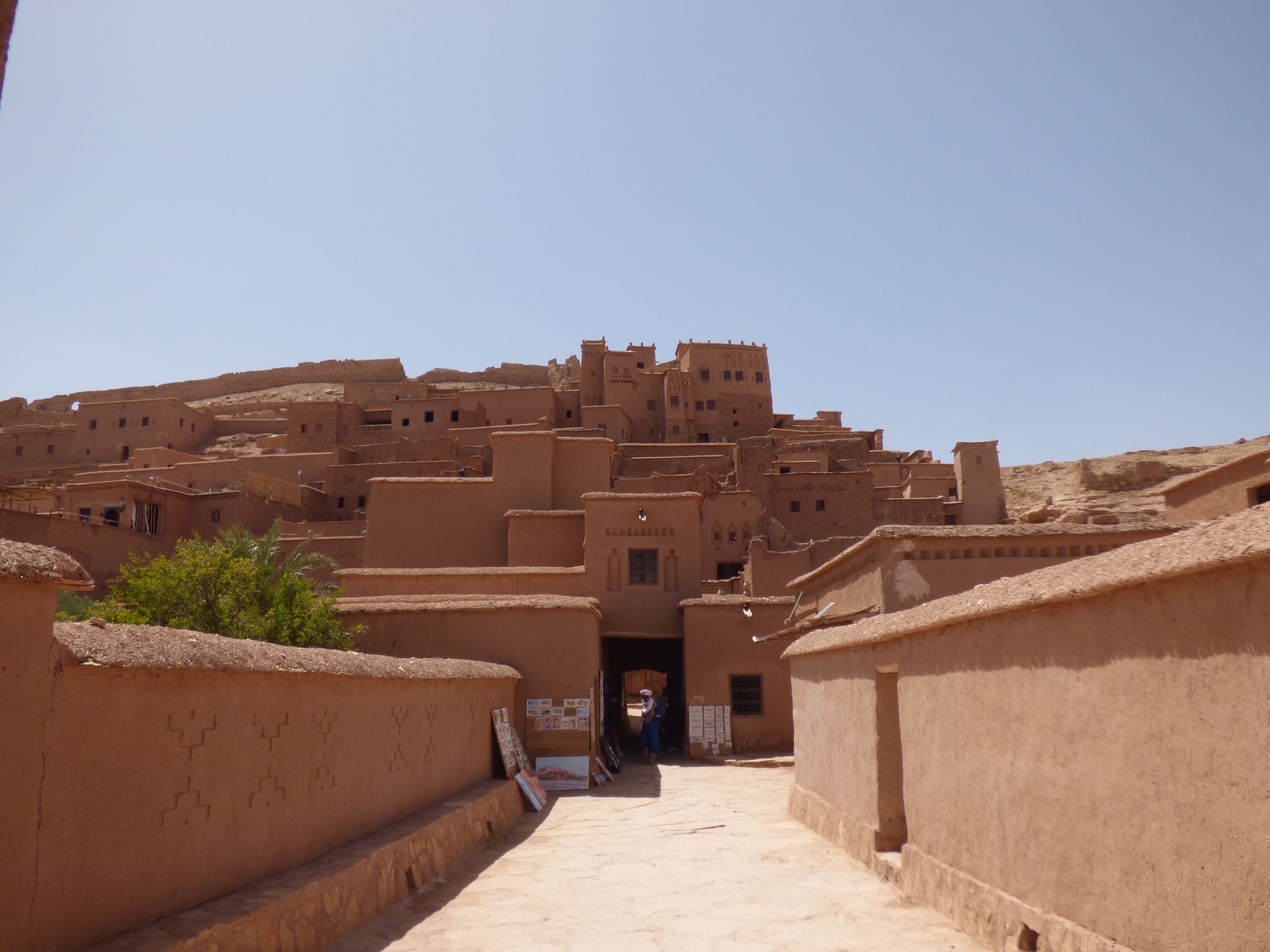
    As a female traveler, I gravitate more toward tours in areas that aren’t as safe for women/female-presenting individuals. This is especially true when traveling solo, as I often do. Traveling with a reputable tour gives some peace of mind in these areas. For example, on my trip to Morocco, our group of women had a male guide and added security personnel in the souks.

    Orientation

    If the place that I’m visiting is new to me, I like to start my trip with a walking tour. This helps orient me to the area, while learning more about the sites I’m visiting later. An added bonus is that, often, guides are happy to give recommendations off the beaten path. This has been a great way to find places to eat and coffee shops, etc. that aren’t as “touristy.”

    Best Resources for Tours and Group Travel

    Tours

    Specific destinations often have their own local tour suppliers. When looking for tours on a broader scale, I like to use the resources below.

    • Airbnb Experience: The first place I like to check for tours (especially walking tours) is Airbnb Experience. The platform allows locals to advertise their tours, giving a personal connection to the place you’re visiting. One of my favorite tours was booked in Porto through this platform.
    • GetYourGuide: If I can’t find a tour for my destination through Airbnb Experience, my next stop is GetYourGuide. One of the perks of this site is that you can often find tours that are book now/pay later and fully refundable up until a particular date. This allows for flexibility should you decide on other activities, while holding your spot.
    • Expedia: As mentioned in the accommodation section, Expedia is a 3rd-party resource for book travel-related items. One thing you can book on this site is tours.
      • Pro tip: Really look into reviews. A lot of companies offer similar tours, and some are newly added with no reviews at all. I try to avoid these due to likelihood of it either being a scam or not yet tested operationally.

    Group Travel

    • Education First: This company is a parent company of those outlined below. It originated as a way to help students travel and has since expanded.
      • EF Ultimate Break: For travelers 18-35. I’ve now taken 3 trips with this group.
        • Pros: local guides; adventure-focused; payment plans; option to include flights; great for solo travelers to make friends
          • Added pro: My first trip with EF UB was when I broke my ankle; the director handled it like a pro! I continue to book with them because of this.
        • Cons: Some itineraries have rather large groups; I much preferred the smaller groups I traveled with
      • EF Go Ahead: For a more open age range.
        • Pros: No age limitations (aside from solo minors)
        • Cons: Itineraries to the same places as EF Ultimate Break can vary greatly in activity choices; often higher prices than EF UB
      • EF Adventures: A newer branch I haven’t yet traveled with, these itineraries are activity-focused (hiking, cycling, etc.)
        • Pros: Great for those who like an active trip
        • Cons: More expensive than other branches, from what I’ve seen.
    • Local tour companies:
      • Each destination typically has its own tour companies. Depending where you go, you can find and book them online. I haven’t yet done more than a day-tour with a local company, but it’s a great way to support the economy of your destination!

    Resources for Travel Activity Planning

    • Social Media: Now often used as a search tool, I usually start my activity planning by looking up my destination on platforms like TikTok, Instagram, or Facebook. I’ll note things that look interesting to me to later research on other platforms.
    • Travel Bloggers: I know, I know. I’m a blogger plugging bloggers. The reality is, when I use search engines to find out more about activities I’m interested in, blogs can be very helpful with the realities of those destinations. I often get advice on who to book through, expected costs, and other logistics by reading bloggers’ experiences.
    • Travel Forums: In a similar vein to social media, travel forums exist all over the internet. They can be as broad as Reddit threads, or as specific as cruise line forums. I like to join groups on Facebook, for example, for a cruise line that I’m new to. People will often ask the same questions I’m looking for information on, and I can get first-hand feedback from folks that have taken those cruises. I also am part of a few different general traveling groups on Facebook, such as Girls Who Travel, where users from around the world come together to share tips and tricks on a number of destinations.

    Travel Planning Made Simple

  • Handling Medical Emergencies While Traveling

    Handling Medical Emergencies While Traveling

    I never thought I’d find myself having to handle a medical emergency while traveling. Unfortunately, not all trips are without incident. On a trip to Belize, I experienced this first hand. A small fall turned into weeks in an orthopedic boot, physical therapy and, eventually, surgery. Although the situation was not ideal, I learned quickly about what to do before and during a trip for medical emergencies.

    Dos and Don’ts of Travel Injuries

    Story Time: How I fractured my ankle in Belize

    If there’s one thing I know about myself, it’s that I’m accident prone. My trip to Belize was packed with adventure: zip lining, cave tubing, and snorkeling. We hopped from place to place, taking in all that we could. The day I broke my ankle, we were cave tubing. Is that how I broke it? Not exactly…

    I made it through cave tubing mostly unscathed, even with it being our guide’s first day (yes, really!). We had a great time after with tropical drinks, and continued on the bus to our next hotel. With a roughly two hour trip ahead of us, that’s where things started to go wrong. Our bus, equipped with a bathroom, now had an inaccessible toilet due to a broken lock. As soon as we stopped, I tried running to the hotel lobby for a code 1 emergency…

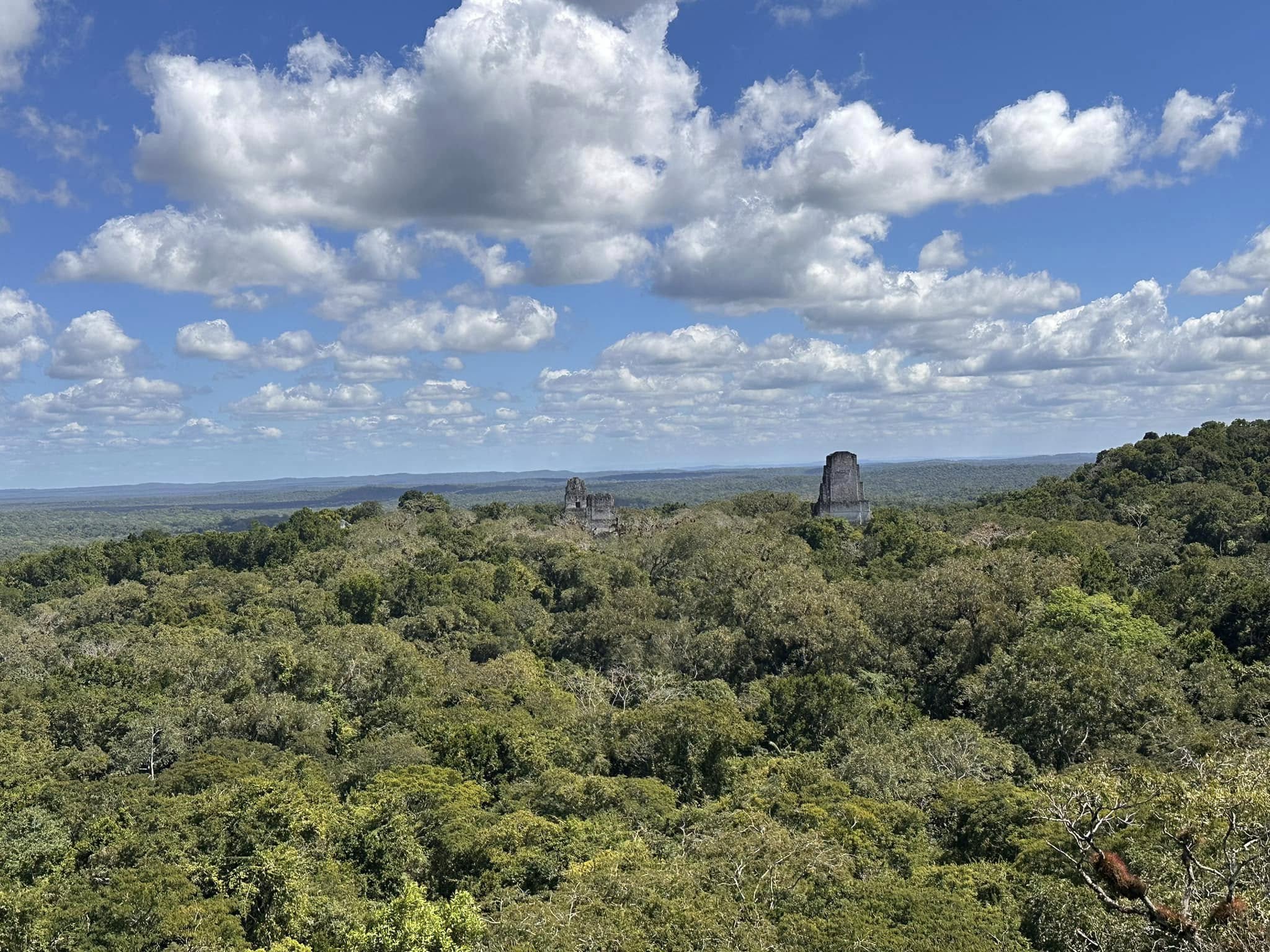
    Little did I know, the steps to the lobby were uneven and, unfortunately, solid concrete. I took quite a tumble, my stuffed backpack flinging itself over my head. Man, that hurt! I hobbled my way to the bathroom and back to the lobby, assuming it was just a bad sprain. After all, I’d rolled these ankles plenty of times in my basketball days. Boy, was I wrong. I spent the night in my room with my foot in a bucket of ice that had been graciously delivered by my tour director. Nevertheless, I persisted, seeing as Tikal National Park, our only day in Guatemala, was on the following day’s itinerary. Thus began the life lessons of what to do, and not to do, about travel-related injuries.

    Group cave tubing in Belize

    Preparing for possible medical emergencies while traveling

    Do:

    • Buy travel insurance.
      • Travel insurance can give peace of mind should plans change due to a medical emergency. Most plans help cover costs of re-booking accommodations, flights, and more.
    • Check your personal medical coverage.
      • Depending on your destination, you may need to rely on your private insurance from your home country. Before you go, see if your plan covers medical care at your destination.
    • Research how medical care works at your destination.
      • All destinations have their own medical care systems. Look into whether healthcare is public or private, and if insurance is required for treatment. For example, when I was hurt in Belize, I had the option of either public or private care. Locals may recommend one type of provider over another for factors such as quality and cost of care.

    Don’t:

    • Assume your travel insurance covers all costs up front.
      • One of the main reasons I didn’t seek treatment when I found myself hurt was my travel insurance. Did I purchase travel insurance? Yes. However, the type of plan was one that required me to pay up front and submit for reimbursement. Worried about the added cost and process of being reimbursed, I opted to forgo treatment offered to me. This likely ended up costing me in the long run.
    • Buy the cheapest insurance option.
      • Of course everyone wants to save where they can and have more to spend later. Unfortunately, the cheapest plans often have the most stipulations. They’ll cover the least and you’ll pay more out of pocket in an emergency. It’s important to thoroughly research what is covered by the plan you wish to buy.

    I got hurt while traveling – what do I do now?

    Do:

    • Seek out professional care if needed.
      • You know your body best. If you feel something is wrong, seek professional help. It’s easy to want to skip treatment, but the most important thing is to take care of yourself! I really wish I’d taken up my director on his offer to accompany me to a doctor.
    • Cancel or change plans, if needed.
      • If you’ve bought travel insurance, this is where that comes in. Even if you haven’t, it’s important to adjust your plans if needed. You don’t want to end up in a situation where your condition declines. It’s okay to take time to rest and recover.
    • Notify medical providers back home.
      • Depending on your emergency, you could need follow-up care upon returning home. In my case, I knew that an ankle injury would mean, at minimum, physical therapy. I notified my medical provider via my family, which allowed me to be seen immediately upon return. If you aren’t able to call, most offices have a patient portal you can use to let your doctor know and schedule an appointment.
    • Give yourself grace
      • Accidents happen! It’s instinct to beat yourself up mentally for an incident on vacation. I know it’s easier said than done, but make the most of it. Something I still laugh about is using my injury to have pizza delivered to me on the beach. I still took the pictures, albeit with a brace on.

    Don’t:

    • Ignore your body to continue your trip as planned
      • One thing that I constantly question is whether I should have sought help instead of continuing on to Tikal. I opted to not only continue on to my next destination, but participated in physical activities. I wanted to visit the park, trek through the jungle, and climb a temple. While the park was incredible, it left me in a lot of pain. Since I hadn’t gotten evaluated, I didn’t know my ankle was actually fractured. In the end, continuing as planned made my condition worse and recovery longer.
    Home » Blog Posts » Page 2
  • Top Fall Activities in Scotland

    Top Fall Activities in Scotland

    The Enchanted Forest

    Are you a fan of light and sound? Looking for something to do on your fall trip to Scotland? Look no further than the Enchanted Forest in Pitlochry!

    What is the Enchanted Forest?

    The Enchanted Forest is an event held in Pitlochry, Scotland every fall. It is an immersive experience of sound and lights in the woods. In 2016, I was fortunate that my university offered students the chance to attend this incredible event.

    Not only was I amazed at the changing lights and colors, but the true immersive nature of the experience. From the moment we arrived, we were met with lights and sounds that transformed the outdoor space into a fantasy world. Every step brought us deeper into the magic, with projection displays and interactive lights.

    Visiting the Enchanted Forest

    While I got to experience this event through school as a student, there are other ways you can attend the Enchanted Forest. It’s an annual event that typically runs throughout October, making it the perfect fall activity for your visit to Scotland! Tickets can also be booked in advance, so be sure to plan ahead.

    Included in ticket prices is transportation via shuttle bus from the city center of Pitlochry. No car? No problem! The shuttle is short and hassle free. Don’t plan on driving yourself or using rideshare, as there is limited parking and car access on-site, available only in advance to those who are disabled.

    The Enchanted Forest is accessed through a walking trail around a lake, so be sure to dress comfortably. One of the draws, for me, was the fact that this event is entirely outdoors, merging lights and nature. One thing to keep in mind with this is that Scotland can be cold and damp – dress accordingly!

    Another perk of attending is that you can take more than one lap around the trail, taking in more of the show as you go. The show has various start times, so you might just catch something new on a second lap around!

    Trees with blue and purple lights at Enchanted Forest, Pitlochry

    More Information on Visiting Pitlochry

    For more information, such as when this event is held, purchasing tickets, and logistics of visiting Pitlochry, please visit the official event site.

    More To Do in Scotland in the Fall

    Are you planning a trip to Scotland in the fall? There’s something for everyone! My Fall semester allowed for plenty of travel within Scotland. Check out some of my favorite things and places below!

    The Castle Trail

    Who goes to Scotland and doesn’t seek castles? Good news for castle lovers everywhere is that there is a castle trail in Aberdeenshire. Enjoyable at any time of year, I especially recommend a fall visit with fewer crowds and fallen leaves. An added bonus is that Balmoral Castle is typically open to visitors in the fall. Most years, it’s used as a summer residence for the Royal family and inaccessible for that time frame. Some castles I’ve visited and recommend are:

    • Dunnottar Castle
      • Allegedly the inspiration behind the castle in Brave, this cliff-side castle was the site of the last Jacobite rebellion.
    • Huntly Castle
      • A castle has existed in Huntly since the 12th century, and some say this one is haunted!
    • Balmoral Castle
      • The preferred summer home of Queen Elizabeth II, Balmoral estate is most accessible in the fall.
    Oktoberfest Aberdeen

    Do you like the idea of Oktoberfest, but not the crowds and logistics? Check out Aberdeen’s local Oktoberfest! This event happens in late September and features live music, food and drinks, competitions and games. Tickets can be booked in advance and it’s advised to do so if traveling with a group.

    Take a Wizard Walking Tour in Edinburgh

    Many myths exist to say where the famous Harry Potter series was written, but one city that fully embraces the inspiration lore is Edinburgh. On a weekend trip to the city, my friend and I took a walking tour inspired by the series. Take a stroll down Diagon Alley (erm.. Victoria Street), have a hot chocolate in the Elephant House Cafe, and take in Edinburgh Castle (maybe it’s Hogwarts?). Even if you’ve lost your love or support for the wizarding world, the charm of Edinburgh can still get you in the cozy fall spirit.

  • Travel to Ireland (2015)

    Travel to Ireland (2015)

    My Love Story Begins

    I’m not sure if you believe in love at first sight, but I can tell you with certainty that I do. From the moment I landed in Ireland, I was in love with this new experience of travel. 

    Learning Through Travel

    Back in 2015 I signed up for a course on the Irish Famine through my college. An exception was made for me to join due to my enthusiasm for the subject, as freshmen typically weren’t allowed to join a course at that level, and the registry was near capacity. 

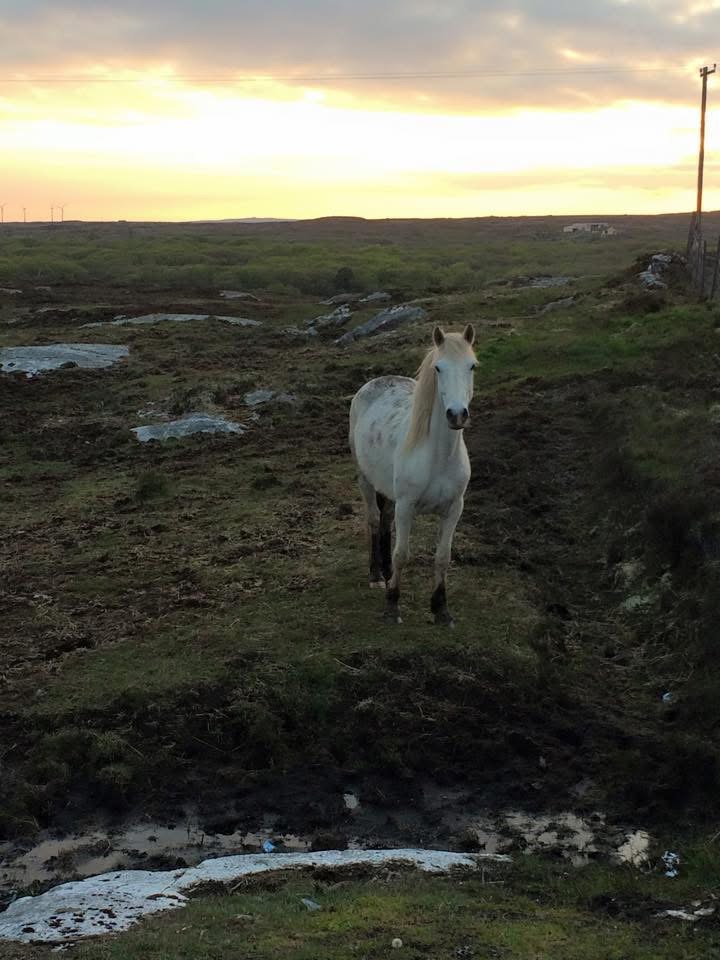
    At the end of the semester, the class took a trip to An Spidéal, a town in County Galway. We had the privilege of being the host family’s first American group of students; they typically hosted Irish students learning Gaelic, as An Spidéal is in a Ghaeltacht region of Ireland.

    What is An Ghaeltacht and why does it exist?

    A Ghaeltacht region is one where the first language of the area is (Irish) Gaelic. These areas exist as Gaelic was at one time the language spoken in all of Ireland. Following British occupation and the Famine, the language was nearly eradicated. These areas are important for keeping the historical language alive. They came to be recognized following the Gaelic revival by the government as areas where Gaelic was the predominant language.

    For me and my classmates, this meant our host family was used to hosting those needing to learn Gaelic for school. Their main objective when hosting is typically immersion into the language, typically for for the summer break. We even had the option to attend a mass given entirely in Gaelic while in the area.

    Gaelic Lessons and Irish Music

    One of the best parts of traveling through a school program was the connection we made with a local institution. We got to experience a crash course in Irish Gaelic (honestly can only remember how to greet folks in the language, and how to order a pint of Guinness…).

    Because we were connected through a music school, we also learned different dances and got to hear Charlie Lennon and his daughter, Eilís perform not only in the classroom, but at a pub in town! For those who are unaware of Charlie Lennon and interested in Irish folk music, I encourage you to look him up. While writing this blog I learned that he sadly has passed, and I’m even more grateful that I got to meet and learn from him.

    Charlie and Eilís Lennon play in a pub in Spiddal

    Irish Sites to Visit

    While we were based in Spiddal in County Galway, our class visited these other cities and sites:

    • Galway City
    • Strokestown Park (the Irish National Famine Museum)
    • Blarney Castle
    • Aasleagh Falls & Erriff River
    • Cobh
      • The Titanic Experience Cobh
    Galway City Streets

    Planning a Return Trip to Ireland

    My first trip abroad gave me just a taste of the beauty of Ireland. Little did I know that just one year later I’d be planning a second trip to the country ahead of a semester abroad. In my next post, I’ll dive into my over and underrated things to do in Ireland, as well as mistakes made and advice for a successful trip.